

Residential Portfolio Renovation
Hydronic balancing for a multi-building residential heat-pump renovation.

Introduction
This multi-phase residential renovation covers a portfolio of apartment and assisted-living buildings in Europe. The project scope includes radiator upgrades, changes to the main heating distribution system and the introduction of heat pumps.
The project objective is to modernise the heating installations and support longer-term energy-performance plans.
The Hydronic Challenge
The existing heating systems varied across the portfolio. Components had different ages and configurations, and some buildings used single-pipe heating systems. Each building therefore required its own assessment of radiator flow, hydronic balancing and room-temperature control.
Heat pumps had already been introduced in parts of the portfolio. The project team reported that the heat distribution system had not yet been adapted to the new operating conditions. Radiator valves, flow settings and system balance therefore formed part of the wider renovation scope.
Particular attention was required for the buildings with single-pipe heating systems. The project team needed to assess the implications of modernising these installations and address their limitations in relation to room-temperature control, occupant comfort and energy performance.
- Assess the different heating-system configurations across the residential portfolio
- Replace ageing radiator valves and room-control components
- Determine an appropriate modernisation approach for the single-pipe systems
- Address comfort and energy-performance considerations associated with the existing systems
- Review heat-distribution settings for heat-pump operating conditions
- Coordinate the housing association, consulting engineers, installer and wholesaler
Solution
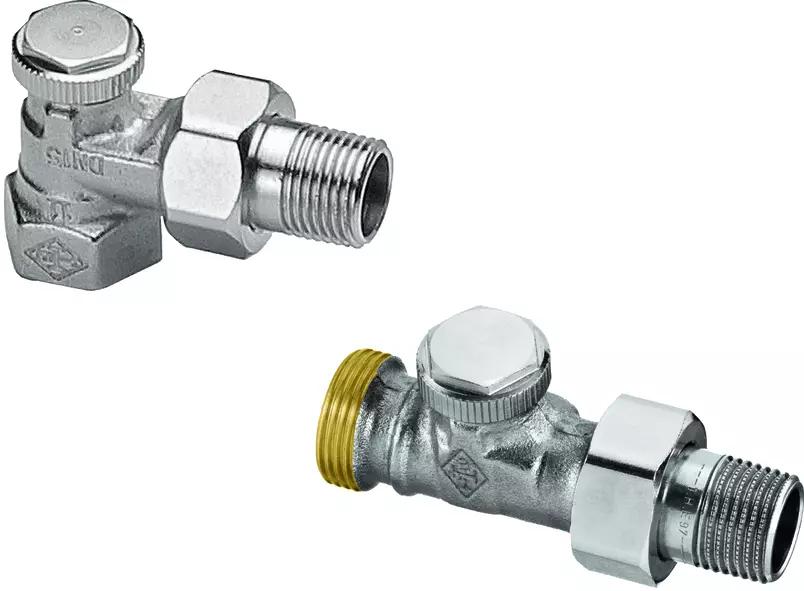
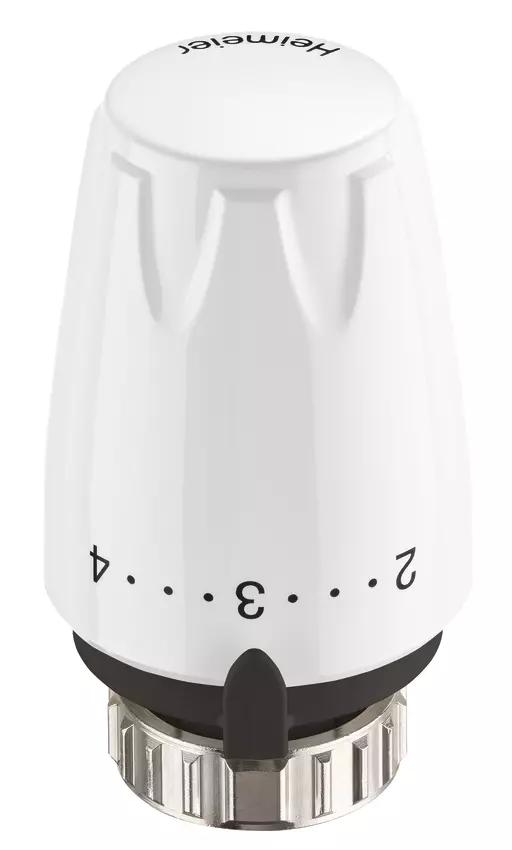
Climate Control, a sector of IMI, supported the project with a hydronic balancing and radiator-control approach based on IMI Heimeier Eclipse thermostatic radiator valves, Regutec lockshield valves and DX thermostatic heads. Eclipse provides integrated flow-limiting functionality, allowing the required radiator flow setting to be made directly at the valve.
Engineering support covered the different levels of the project, from the housing association and consulting engineers to the installer and wholesaler. This included valve selection, calculation of presetting values, site visits, assessment of a model apartment and technical workshops for the project team. Training was also provided for the installer’s employees.
The recommendations were tailored to the customer’s priorities and decision criteria, including investment and payback considerations, applicable European and local requirements, and the potential to improve comfort and energy performance.
The system approach combines radiator flow control, calculated settings and practical knowledge transfer for implementation across the different project phases.
Project Approach
The project brings product selection, calculated settings, on-site assessment and training together within one phased renovation plan. This creates a consistent method for addressing different system configurations as the work progresses.
A dedicated information session is planned for residents living in apartments with single-pipe heating systems. Led by IMI and the installer, the session will explain the planned changes, why the work is needed and what residents can expect during implementation.
This collaborative approach supports alignment across the housing association, engineering and installation teams, while also keeping residents informed throughout the renovation programme.