


SVJ Hasova – Housing association
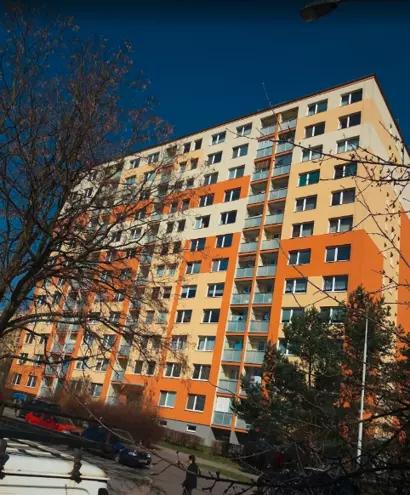
In Prague, a 12-storey residential building with 100 apartments underwent a comprehensive heating system renovation to improve efficiency and adapt to rising energy costs.
Introduction
Housing associations connected to district heating networks are increasingly looking for ways to reduce shared energy costs while maintaining reliable comfort for residents.
In Prague, a 12-storey residential building with 100 apartments underwent a comprehensive heating system renovation to improve efficiency and adapt to rising energy costs.
The objective was to optimise heat distribution, improve system performance, and reduce energy consumption — while maintaining stable indoor comfort across all apartments.
The Hydronic Challenge
Like many housing associations with ageing systems, the building faced several hydronic challenges:
- Outdated thermostatic valves and inconsistent system components
- Inefficient heat distribution due to lack of proper hydronic balancing
- Oversized or mismatched radiators impacting system performance
- Limited control over flow rates and system behaviour
These issues resulted in energy waste, uneven heating, and higher shared costs for residents.
Solution
IMI implemented a complete hydronic optimisation solution, combining system redesign, balancing, and modern control components:
- Replacement of thermostatic valves with Heimeier Eclipse valves with K heads, enabling automatic flow limitation
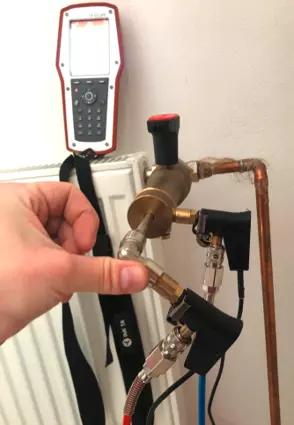
- Installation of STAD and STAP valves for accurate hydronic balancing
- Full hydronic calculation and presetting based on actual heat losses
- Design and installation of a new mixing station with equithermal (weather-compensated) control
- Adjustment of pump operation and system pressure to ensure stable performance
The system was recalculated and fine-tuned during implementation to ensure optimal performance under real operating conditions.
Key results*
The renovation delivered significant improvements in efficiency, cost control and comfort:
- Up to 21.5% energy savings (comparison of heating seasons 2020–2022)
- Improved heat distribution across all apartments
- Reduced energy waste through accurate flow control and balancing
- Increased system reliability and stability • High customer satisfaction with system performance
The reduction in heat consumption also helped residents offset rising energy prices, delivering direct financial benefits.
* All performance figures and other data referenced in this case were provided by the customer. IMI has not independently verified this information, and actual results may vary depending on system design and operating conditions.
Conclusion
This project demonstrates how housing associations can significantly improve heating system performance through comprehensive hydronic renovation and optimisation.
By combining accurate system design, automatic flow control, and hydronic balancing, IMI enables building owners to:
- Reduce shared energy costs
- Improve comfort for residents
- Enhance long-term system performance
The result is a more efficient, balanced and future-ready heating system, delivering measurable savings without compromising comfort.
Products Installed


