


SVJ Rezlerova – Housing association
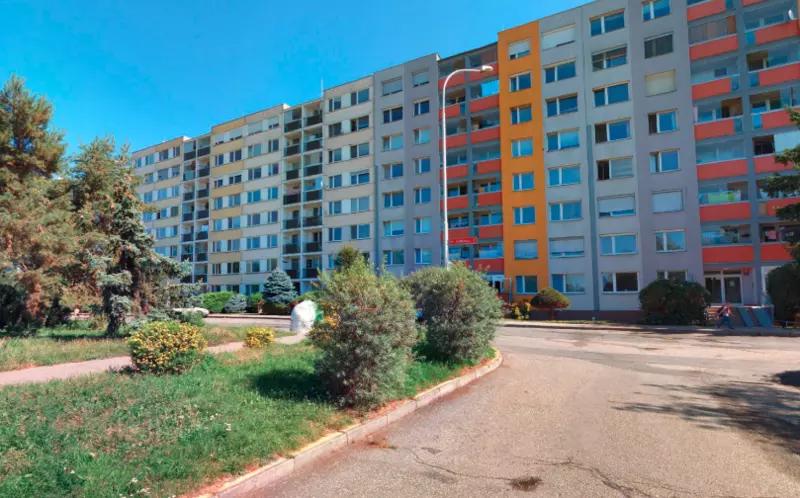
In Prague, the residential building Rezlerova underwent a targeted optimisation to improve system stability and identify performance gaps.
Introduction
Housing associations connected to district heating networks often face hidden inefficiencies within their heating systems, leading to increased energy costs and uneven comfort for residents.
In Prague, the residential building Rezlerova underwent a targeted optimisation to improve system stability and identify performance gaps. Using TA-Smart-Dp technology, the project aimed to stabilise system operation, improve efficiency, and uncover opportunities for further energy savings.
The Hydronic Challenge
Like many housing associations, the building faced several hydronic challenges:
- Unstable differential pressure (dP) affecting system performance
- Limited visibility on actual energy consumption and system behaviour Inefficient operation linked to low temperature differential (ΔT)
- Lack of precise control at the building entry
These issues resulted in suboptimal energy use, uneven heat distribution, and untapped savings potential..
The Solution
IMI implemented a targeted optimisation approach focused on system stabilisation and monitoring:
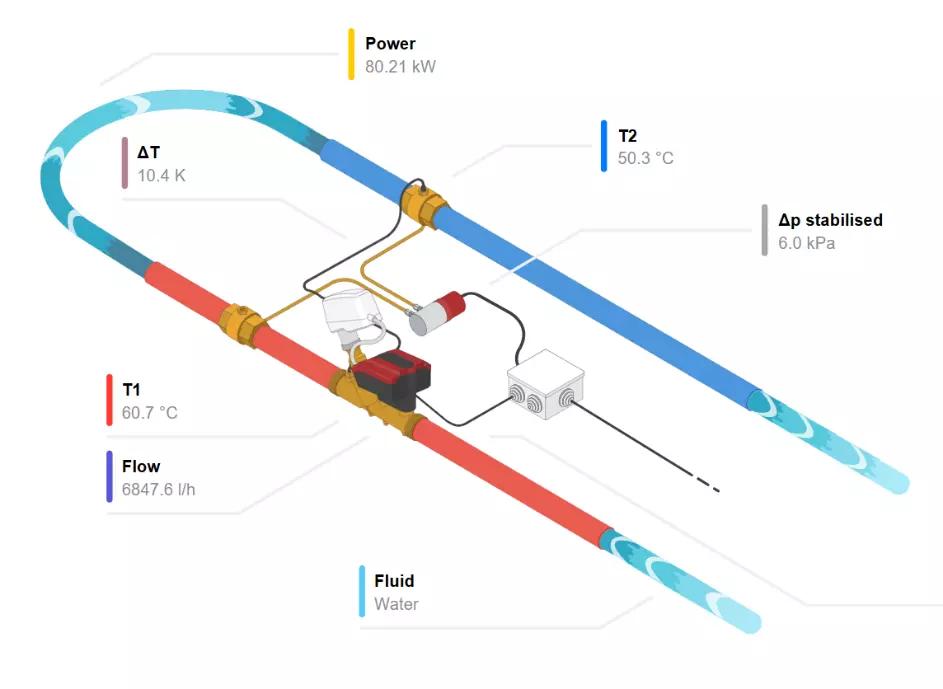
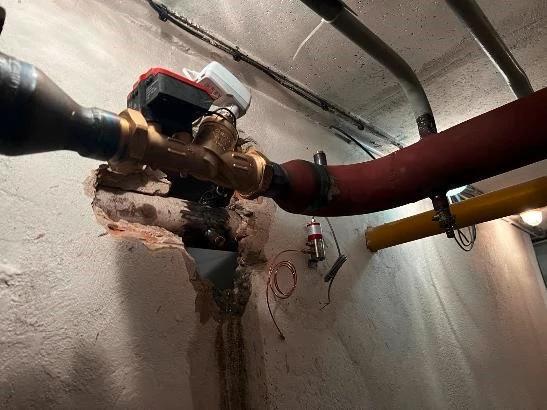
- Installation of TA-Smart-Dp to stabilise differential pressure at the building entry
- Control of maximum flow and key hydronic parameters
- Continuous monitoring of energy consumption and system performance
- Identification of inefficiencies, including low ΔT indicating optimisation potential
- Recommendations for further improvements, including:
- hydronic balancing of the internal system
- replacement of thermostatic radiator valves (TRVs)
Key Results*
The project delivered improved system stability and clear visibility of optimisation opportunities:
- Stabilised system operation through differential pressure control
- Identification of energy saving potential linked to low ΔT
- Improved understanding of system behaviour through continuous monitoring
- Foundation for future optimisation measures, including balancing and component upgrades
*All performance figures and other data referenced in this case were provided by the customer. IMI has not independently verified this information, and actual results may vary depending on system design and operating conditions.
Conclusion
The Rezlerova project demonstrates how housing associations can benefit from stabilising and analysing their heating systems before implementing full upgrades.
By improving system control and gaining visibility on performance, IMI enables building owners to:
- Identify inefficiencies
- Prioritise the right optimisation measures
- Reduce energy waste over time
This approach provides a low-risk, data-driven first step towards improving district heating performance in residential buildings.
Products Installed
TA-Smart-Dp
2-way Smart electronic differential pressure controller with flow, temperature and power measurement capabilities