


Reducing Energy Consumption

With rising energy costs and increased focus on building efficiency, heating installers are under more pressure than ever to deliver systems that are reliable, energy efficient and future-ready.
Renovation and upgrade projects offer significant opportunities not only to improve comfort but to substantially reduce energy consumption in domestic heating systems.
See below what renovation solutions can help to reducing wasted energy and improving overall system efficiency, ranked from easiest to implement.
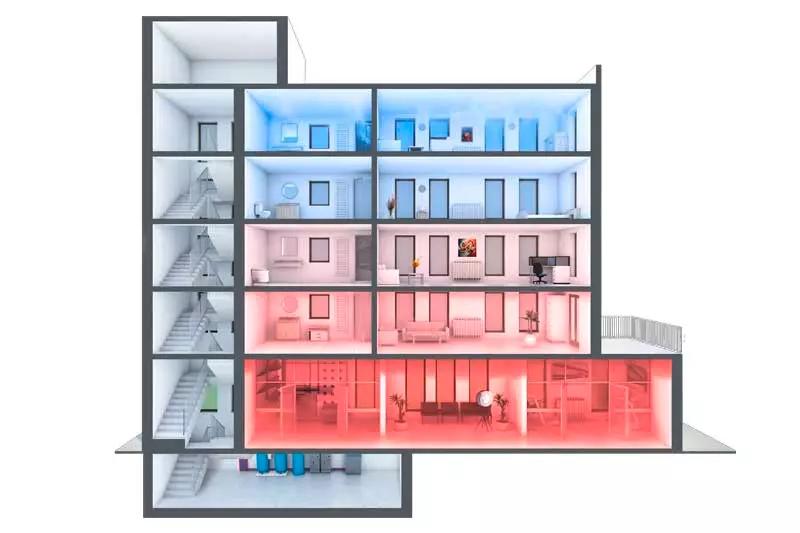
Hydronic Balancing
Hydraulic balancing via modern thermostatic valves ensure even heat distribution, which increases comfort and lowers energy use.
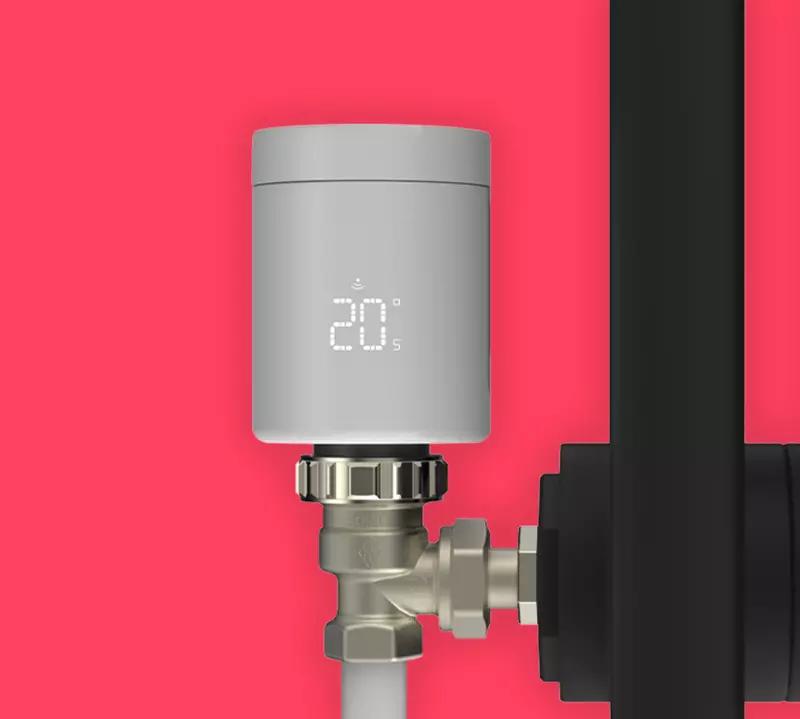
Reduce Energy Consumption With Smart Heating Control
Efficient heating starts with precise temperature control.
The neoFlo smart thermostatic helps reducing energy consumption by keeping rooms at exactly the temperature they need – no more overheating, no wasted energy.
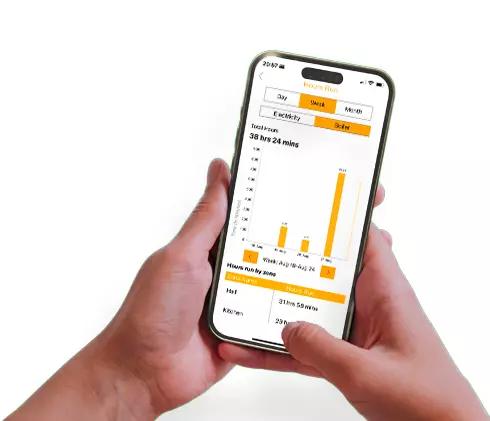
Reduce Energy Consumption With Smart Heating Control – Powered by the neoApp
Lowering energy use has never been easier.
With the neoApp, homeowners gain full control over their heating system – anytime, anywhere. Clear schedules, flexible temperature settings and intelligent automation ensure that heat is only used when it’s truly needed.
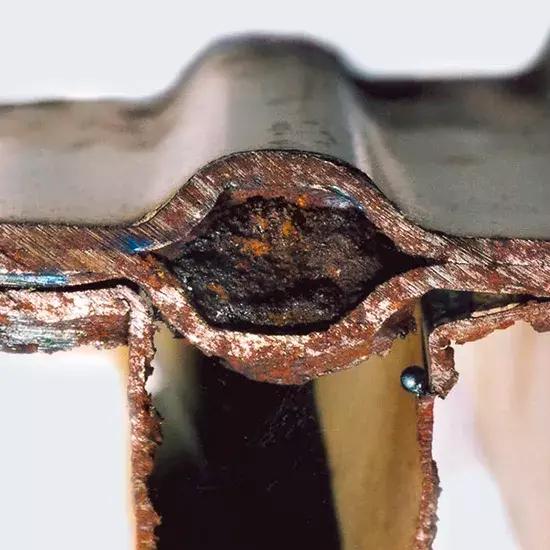
Why Water Quality Counts
A heating system can only work efficiently when the water inside it is clean.
Air, sludge and magnetite build-up reduce heat transfer, force pumps to work harder and increase energy consumption. By improving water quality, you can significantly boost system performance and lower heating costs.
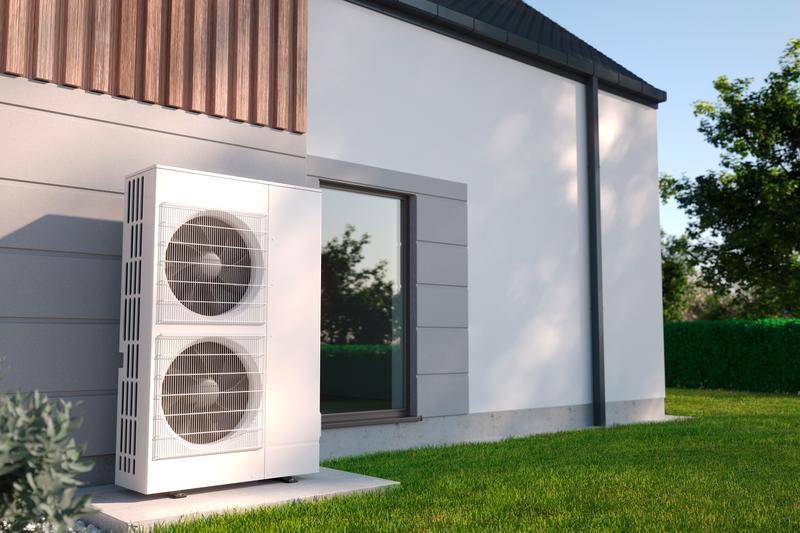
Reduce Energy Consumption With Efficient Heat Pump Systems
Heat pumps are one of the most effective ways to lower energy consumption in residential heating.
By using ambient energy from the air or ground, they deliver high efficiency even at low temperatures — and significantly reduce heating costs.
Make every project future-proof With IMI Climate Control, you deliver more than heat and comfort: you deliver energy efficiency, reliability, and sustainability.